How Spotify Pays Artists: Inside the Streamshare Model Turning African Artists into Millionaires in 2026

How Spotify Pays Artists: Inside the Streamshare Model Turning African Artists into Millionaires
The global music industry has undergone a massive transformation in the last decade, and at the center of this shift is Spotify’s innovative payment system—often referred to as the “Streamshare” model.”
This system is not only reshaping how artists earn money but is also playing a major role in turning African artists into global millionaires.What Is Spotify’s Streamshare Model?Unlike traditional music sales where artists earned per album or track sold, Spotify uses a streamshare system. This means artists are paid based on their share of total streams across the platform.Here’s how it works:

Spotify pools all revenue from subscriptions and ads.It allocates roughly 70% of that revenue to rights holders (artists, labels, distributors).Each artist earns a percentage based on how many streams they generate compared to total streams globally.In simple terms: the more streams you get, the bigger your slice of the revenue pool.
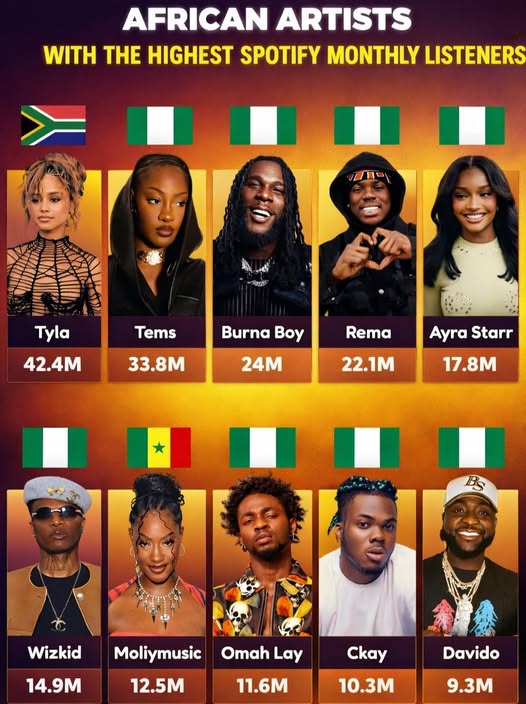
Why This Model Is Powerful for African Artists African artists are benefiting massively from this system because streaming removes traditional barriers like distribution, radio access, and international exposure.Artists from countries like Nigeria, South Africa, and Ghana can now:Reach global audiences instantly Go viral through playlists and algorithms Earn in dollars, not local currencies For example, Afrobeats stars have seen explosive growth as Spotify playlists like “African Heat” and “Afrobeats Hits” push their music to millions worldwide.
How Streams Turn into Millions Spotify typically pays between $0.003 and $0.005 per stream (varies based on region and agreements). While that may seem small, it adds up quickly.
Let’s break it down:1 million streams ≈ $3,000–$5,000100 million streams ≈ $300,000–$500,0001 billion streams = Millions in revenue African artists who consistently hit hundreds of millions of streams—thanks to global fans—are now earning life-changing income.The Role of Playlists and Algorithms Spotify’s recommendation engine is a game-changer. Once a song gains traction, it can be pushed into:Editorial playlists Algorithmic playlists like Discover WeeklyViral chartsThis creates a snowball effect, where streams multiply rapidly without traditional marketing costs.Challenges of the Streamshare ModelWhile powerful, the system isn’t perfect:Independent artists earn less without label backingRevenue is shared with producers, labels, and distributors Smaller artists struggle to compete with global superstars Still, the barrier to entry is lower than ever before.The Future for African MusicThe Streamshare model is fueling a global African music explosion.
Artists are no longer limited by geography—they’re competing on the world stage.With growing internet access, smartphone adoption, and international collaborations, African artists are positioned to dominate streaming platforms even more in the coming years.
Final Thoughts Spotify’s Streamshare model is more than just a payment system—it’s a global equalizer. By rewarding engagement and reach, it allows talent from anywhere, including Africa, to thrive.For African artists willing to stay consistent, build a fanbase, and leverage streaming tools, the opportunity to become a millionaire is no longer a dream—it’s a data-driven reality.